Summer heat increases the risk of heat rash in babies
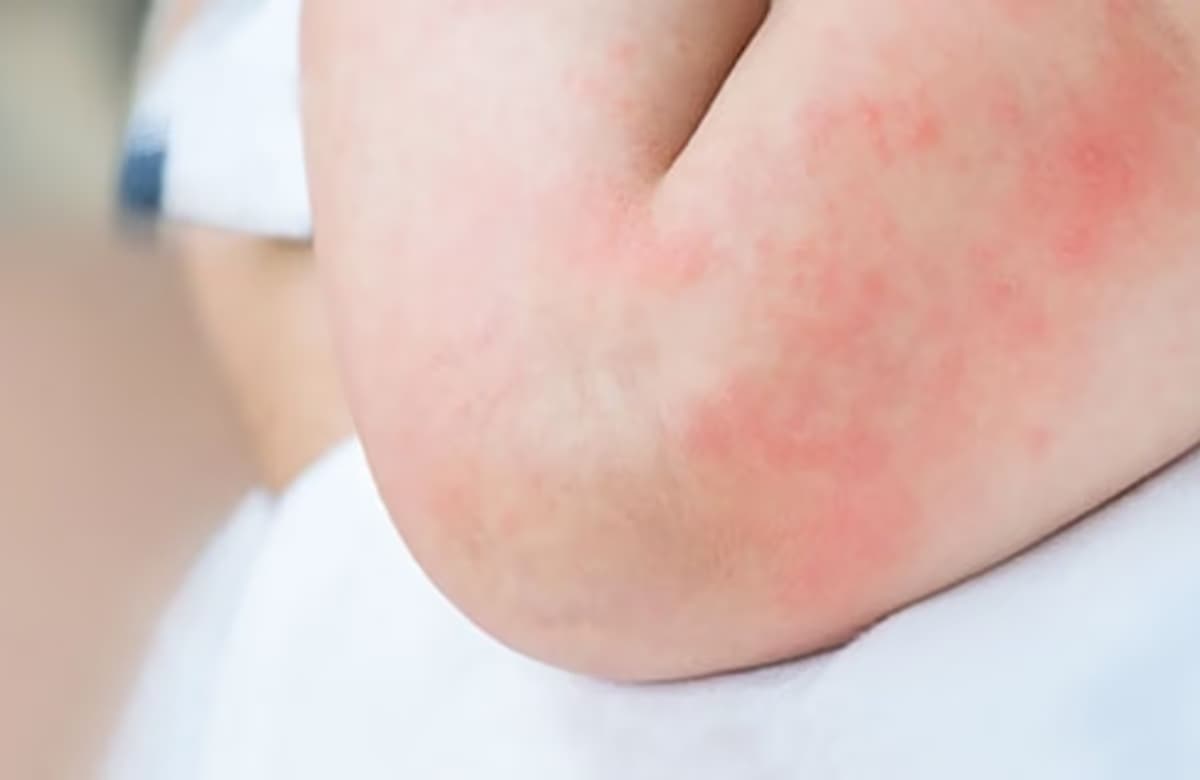
Increasing temperature and humidity in summer months increases the incidence of various skin problems, especially in babies. Babies become more sensitive to the negative effects of hot weather because their sweat glands are not yet fully developed.
Liv Hospital Ulus Child Health and Diseases Specialist. Dr. Gizem Güvener gave important suggestions to families by giving information about heat rash, which is common in summer.
“Rash, medically known as miliaria, is a common skin disorder that occurs as a result of blockage of sweat glands and is seen especially in babies and young children,” said Specialist. Dr. Gizem Güvener stated that hot and humid weather facilitates the development of heat rash. He stated that dressing babies with thick and tight clothes, especially in the first weeks of life, prevents the skin from breathing and prepares the ground for the formation of rash.
It can manifest itself with red blisters and restlessness
He said that rash is mostly seen as small red blisters on the surface of the skin. Dr. Gizem Güvener stated that in some cases, mild blisters may also occur. He stated that rashes most often occur in areas with skin folds such as the neck, nape, upper chest, back and diaper area, but from time to time they can spread to the whole body. Specialist emphasized that rash can cause itching. Dr. Güvener said, "Babies may develop restlessness, sleep disturbances and skin irritation due to itching. However, rash is a condition that can often regress in a short time with appropriate care practices." Dr. Gizem Güvener suggested that the room temperature should be kept between 22-24 degrees and the living spaces should be ventilated regularly. Stating that it would be beneficial to cleanse babies from sweat by taking a warm bath or applying a moist compress, Güvener said that thin, loose and cotton clothes should be preferred.
Specialist stated that the use of air conditioning or a fan can be preferred when necessary. Dr. Güvener underlined that the airflow should not be directed directly to the baby. He also noted that light moisturizers can be used with the doctor's recommendation, while thick creams and oils can block the sweat glands and aggravate the condition.
If these symptoms occur, a doctor should be consulted
Specialist stated that heat rash is a disorder that usually resolves on its own. Dr. Gizem Güvener said that medical evaluation may be required in some cases.
She warned families to be careful by saying, "If the rashes turn into yellow, inflamed lesions, the baby's fever increases, the baby's sucking decreases, weakness develops, or the rashes continue to increase for more than three days despite the precautions taken, a pediatrician should be consulted."
Sigortada Bugün'un sağlık editörü. Tamamlayıcı sağlık sigortası, SGK düzenlemeleri ve sağlık sektöründeki gelişmeleri takip ederek sigorta ile sağlık arasındaki köprüyü kuruyor.
All articles →Comments (0)
Sign in to comment
No comments yet. Be the first to comment!
Related Articles

Summer Months, the Quiet Period of Resignations

Don't wait for symptoms in breast cancer! Early diagnosis can save lives
This disease leads to corneal transplantation

ONE CONTROL, ONE LIFE IN BREAST CANCER!

Why Are Relationships Short-Lived in the Modern Age?