10 Golden Rules to Prevent Allergic Flu in Children
Allergic rhinitis is one of the most common chronic allergic diseases in children. Research shows that approximately 1 in 5 children may experience allergic rhinitis symptoms. The disease manifests itself with symptoms such as runny nose, frequent sneezing, nasal congestion, itching and watery eyes; It can negatively affect children's sleep patterns, school success and quality of daily life.
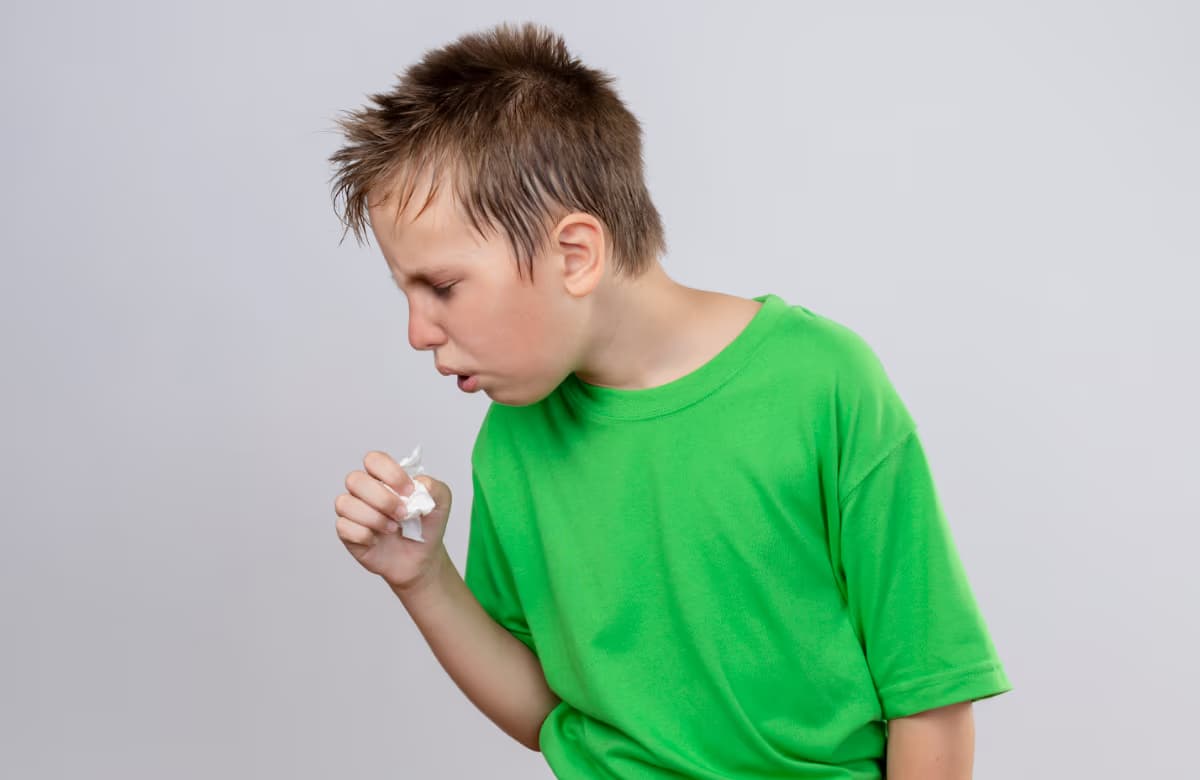
Central Hospital Child Health and Diseases Specialist Dr. İsmail Gönen stated that it is not always possible to completely prevent allergic rhinitis, but the symptoms can be greatly reduced with the right environmental measures and made the following suggestions to families:
1. Fight House Dust
House dust mites are among the most important causes of allergic rhinitis. They are especially found in beds, pillows, carpets and fabric-covered furniture. For this reason, it is recommended to clean children's rooms regularly, reduce dust-collecting items and, if possible, use a vacuum cleaner with a HEPA filter.
2. Make the Bedroom Allergy Friendly
Bedrooms where children spend a significant part of the day should be free of allergens as much as possible. Thick curtains, plush toys, and wall-to-wall carpeting can increase dust accumulation. Washable and easy-to-clean products should be preferred.
3. Wash Bedding Regularly
Pillowcases, sheets, duvet covers and blankets should be washed at least once a week at temperatures of 60 degrees or above. This practice helps to significantly reduce house dust mites.
4. Take Precautions During Pollen Season
The amount of pollen in the air increases in spring and summer. Pollen density may be higher, especially in the morning hours. It is beneficial for children with pollen allergies not to stay out for a long time during these hours, to change their clothes and wash their faces when they come home.
5. Do Not Allow Cigarette Smoke Inside the Home
Cigarette smoke not only increases allergic rhinitis symptoms, but can also cause irritation in children's respiratory tract, increasing the risk of developing asthma. It is of great importance not to smoke in environments where children are present.
6. Prevent Mold Formation
Humid environments create suitable conditions for mold fungi to multiply. Humidity control should be ensured and regular ventilation should be provided, especially in areas such as bathrooms, kitchens and basements. It is recommended to keep the indoor humidity level at 40-50 percent.
7. Be Careful of Pet Allergens
Some children may have allergic reactions to skin rashes and secretions from cats, dogs or other pets rather than their dander. Children who are determined to have allergies should pay attention to hand hygiene after contact.
8. Improve Indoor Air Quality
Regular ventilation of houses and maintenance of air conditioners and air filters improve indoor air quality. Since air pollution and various chemical odors can also trigger allergic symptoms, cleaning products should be used carefully.
9. Do Not Underestimate Nasal Congestion
Children who constantly experience nasal congestion may begin to breathe through their mouth. This condition can disrupt sleep quality, cause snoring and distraction during the day. In case of long-lasting symptoms, a specialist should be consulted.
10.Do Not Neglect Regular Follow-Up
Early diagnosis of allergic rhinitis is of great importance both in controlling the symptoms and in preventing accompanying diseases such as asthma. Children whose complaints repeat frequently should be evaluated by a pediatrician or child allergist.
“Allergic Flu Can Affect Children's Quality of Life”
Central Hospital Pediatric Health and Diseases Specialist Dr. İsmail Gönensays, "Allergic rhinitis should not be seen only as a seasonal disorder. Untreated allergic rhinitis can lead to sleep disorders, a decrease in school success, attention problems and a decrease in the quality of life. Families' early recognition of the symptoms and taking the necessary precautions will contribute to a healthier life for children."
Sigortada Bugün'un sağlık editörü. Tamamlayıcı sağlık sigortası, SGK düzenlemeleri ve sağlık sektöründeki gelişmeleri takip ederek sigorta ile sağlık arasındaki köprüyü kuruyor.
All articles →Comments (0)
Sign in to comment
No comments yet. Be the first to comment!
Related Articles
This disease leads to corneal transplantation
QNB Insured spread the goodness for children this time

The invisible side of selfies

BE CAREFUL ABOUT SLEEP HYGIENE

WILL THE PERSON WHO SEES 2040 BE 150 YEARS OLD?