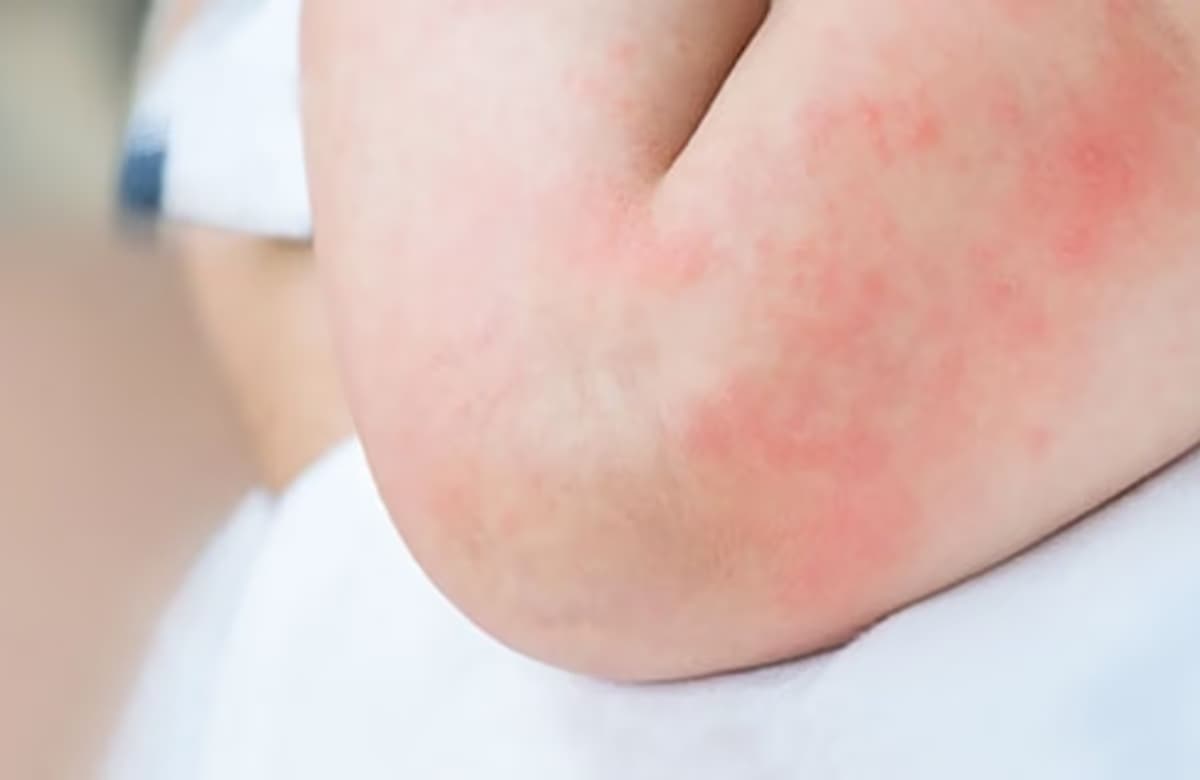
Undercooked meat and poorly washed vegetables can make you lose your sight.
Toxoplasma Gondii infection spread through cat feces Can cause irreversible damage to eyes

Turkish Ophthalmology AssociationUvea-Behçet Unit Head Prof. Dr. Özlem Yıldırım stated that Toxoplasma Gondii, which is known to infect approximately one-third of the world's population, is one of the most common causes of infection-related uveitis and can lead to permanent vision loss. Yıldırım emphasized that it is of great importance to consult an ophthalmologist without wasting time in case of sudden vision changes.
Inflammations inside the eye, that is, uveitis, may occur due to some systemic diseases. These include Behçet's disease, some joint inflammations seen in childhood, and spine and intestinal diseases. In addition, some infections can also cause eye inflammation. The leading cause of this infection is the parasite called Toxoplasma Gondii.
Turkish Ophthalmology Association Uvea-Behçet Unit Head Prof. Dr. Özlem Yıldırım explained that Toxoplasma Gondii infection is the most common cause of uveitis with a high risk of permanent vision loss, called posterior uveitis due to infections, in adults and children with healthy immune systems all over the world, including Turkey. This very common parasite is reported to infect one third of the world's population. The main host of the parasite, which is more common in countries with hot climates, is cats, and the intermediate hosts are humans and other mammals.
The main host of the parasite is cats.
The parasites in the intestines of cats pass into soil and water through defecation. By forming tissue cysts throughout its life cycle, the parasite is not easily affected by environmental conditions and can maintain its viability for a long time. People; They can become infected through consuming raw or undercooked meat containing tissue cysts, contact with parasite-contaminated soil, consuming parasite-infected vegetables and fruits without washing them well, using parasite-contaminated water, passing to the baby through the placenta during pregnancy, organ transplantation and blood transfusion. For this reason, consumption of raw or undercooked meat, use of fresh water sources contaminated with parasites as drinking water, contact with soil contaminated with parasites, consumption of raw vegetables and fruits that are not well washed, low education level, working in soil-related jobs, crowded living conditions and inadequate kitchen and hand hygiene are among the important risk factors of the disease.
It can be passed from mother to baby during pregnancy
One of the most striking aspects of the infection is that it can be passed from mother to baby during pregnancy. If Toxoplasma Gondii infection develops for the first time during pregnancy in mothers who have not encountered the parasite before pregnancy and therefore have not developed immunity, the parasite can be transmitted to the baby through the placenta, depending on the period of pregnancy in which the infection develops. The risk of transmission is low in the first three months, but the situation is serious; It can result in miscarriage and death in the womb. If the baby encounters the parasite in later stages of pregnancy, a condition called congenital toxoplasmosis occurs. Serious problems develop in both the eyes and brains of these babies.
Even if your immune system is strong, the parasite may lie in wait
In the majority of individuals with a healthy immune system, the infection does not cause complaints during the first encounter with the parasite; Mild flu-like symptoms are also often overlooked. Following this initial infection, the parasite protects itself from the effects of the individual's immune system by forming tissue cysts in nerve tissues and muscles, such as the brain and retina. The activation of these cysts after a while and the resulting immune response lead to irreversible loss of function in the retina, which is very important for visual function. Eye involvement is seen in 2 to 18 percent of cases with systemic infection. Since current treatments do not affect the parasites in tissue cysts, individuals exposed to this parasite may experience recurring eye problems throughout their lives. The first attack usually occurs between the ages of 20 and 40. In patients with infection, symptoms may vary depending on the patient's age, the location and severity of the infection, and the state of the immune system. The disease progresses more severely in patients with advanced age and a weakened immune system.
Patients apply with complaints of sudden onset vision loss in one eye, blurred vision, floaters, light sensitivity, and sometimes redness and pain.Even if the disease is treated, it may leave some scar tissue in the eye. If the disease is not diagnosed and treated early, scar tissue will result in serious permanent vision loss. For this reason, it is critical to consult an ophthalmologist without delay in case of sudden changes in vision.
Personal hygiene is the most important method of protection
Basically, the way to prevent parasite-related infections is to prevent the transmission of the parasite. Developments in education, agriculture, animal husbandry, meat and meat product production, and purification of water resources, and screening during pregnancy are of great importance to reduce the frequency of the disease. In addition, washing hands regularly, cooking meat well, consuming vegetables and fruits thoroughly, using clean water and paying attention to personal hygiene rules are the most basic practices in preventing infection.
Sigortada Bugün'un sağlık editörü. Tamamlayıcı sağlık sigortası, SGK düzenlemeleri ve sağlık sektöründeki gelişmeleri takip ederek sigorta ile sağlık arasındaki köprüyü kuruyor.
All articles →Comments (0)
Sign in to comment
No comments yet. Be the first to comment!
Related Articles
Cataract Knows No Age Limit

Don't wait for symptoms in breast cancer! Early diagnosis can save lives
This disease leads to corneal transplantation

ONE CONTROL, ONE LIFE IN BREAST CANCER!

Why Are Relationships Short-Lived in the Modern Age?