Cataract Knows No Age Limit
Cataract, which is generally accepted as a natural part of aging, has been on the agenda with a surprising change in the medical world in recent years.
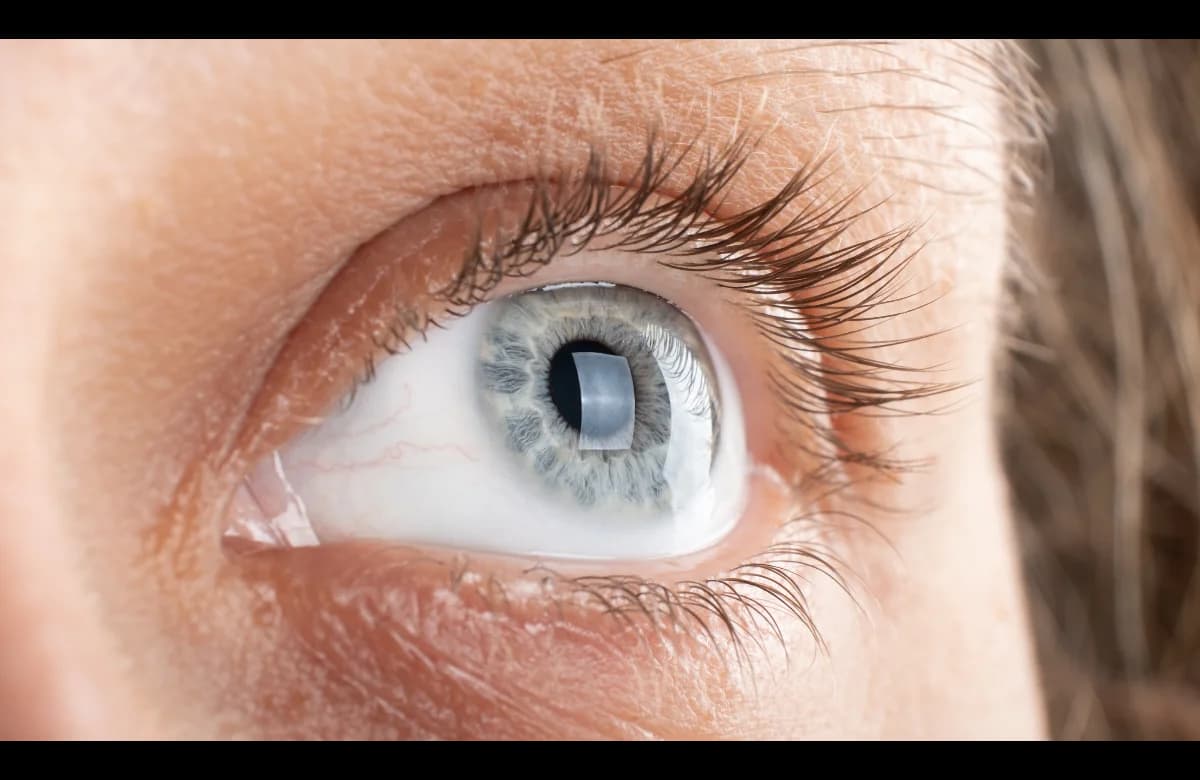
This picture, which occurs when the natural eye lens loses its transparency and vision becomes blurred, no longer knocks only on the doors of the elderly; Many people in their 30s and 40s also consult ophthalmologists. Dünyagöz Tunisia Hospital Ophthalmology Specialist Prof. Dr. Kadriye Ufuk Elgin states that the most important cause of cataracts at an early age is genetic inheritance.
Cataract, which is one of the leading causes of permanent vision loss worldwide, occurs when the natural lens in the eye loses its transparency and manifests itself with symptoms such as blurred vision, sensitivity to light, and fading in colors. Cataract, which we usually see after the age of 50, now threatens the quality of vision of young people.
Prof. Dr. Kadriye Ufuk Elgin states that the most important cause of cataracts at an early age is genetic inheritance: "If there is cataract development in the person's family history, especially in first-degree relatives, this paves the way for the individual's lens structure to deteriorate at a much earlier age." Dr. Elgin says, "Uncontrolled diabetes, high blood pressure, obesity and intraocular pressure rapidly advance the cataract process." Prof. Dr. Elgin points out that the effects of hard blows to the eye as a result of sports injuries or accidents at a young age can manifest as cataracts years later. He also says that the effects of ultraviolet rays and smoking are among the "hidden culprits" of cataracts at a young age.
How to prevent cataracts at a young age?
Prof. Dr. Elgin says that to protect against early-onset cataracts, wearing sunglasses that block UV rays, avoiding smoking and excessive alcohol consumption, keeping diabetes under control and eating a diet rich in antioxidants will be beneficial. He underlines the importance of regular eye examinations for both cataracts and other undiagnosed eye diseases.
The only treatment is surgery
Prof. says that it is not possible to treat cataracts with medication. Dr. Elgin says, "The only treatment for cataracts is surgery. The surgery is usually performed with drop anesthesia. If necessary, sedation or general anesthesia can be applied. The patient can be discharged on the same day after the surgery and return to his social life the next day. The phacoemulsification method has been used in the treatment of cataracts for many years. In this method, the cataractous lens is broken down in the eye with sound waves (Ultrasound) and taken out, and a new lens is placed in its place."
Smart lens option
Prof. stated that in recent years, instead of classical single vision lenses, multifocal premium (smart) intraocular lenses have come to the fore in treatment. Dr. Elgin says, “Thanks to these lenses, patients can get rid of cataracts and gain clear vision by treating other refractive errors.”
Sigortada Bugün'un sağlık editörü. Tamamlayıcı sağlık sigortası, SGK düzenlemeleri ve sağlık sektöründeki gelişmeleri takip ederek sigorta ile sağlık arasındaki köprüyü kuruyor.
All articles →Comments (0)
Sign in to comment
No comments yet. Be the first to comment!
Related Articles

Undercooked meat and poorly washed vegetables can make you lose your sight.

Don't wait for symptoms in breast cancer! Early diagnosis can save lives
This disease leads to corneal transplantation

ONE CONTROL, ONE LIFE IN BREAST CANCER!

Why Are Relationships Short-Lived in the Modern Age?