YOUR “METABOLIC LOAD” IS HIDDEN IN THIS TEST
The body's metabolic load often gives its first signal through the HbA1c test.
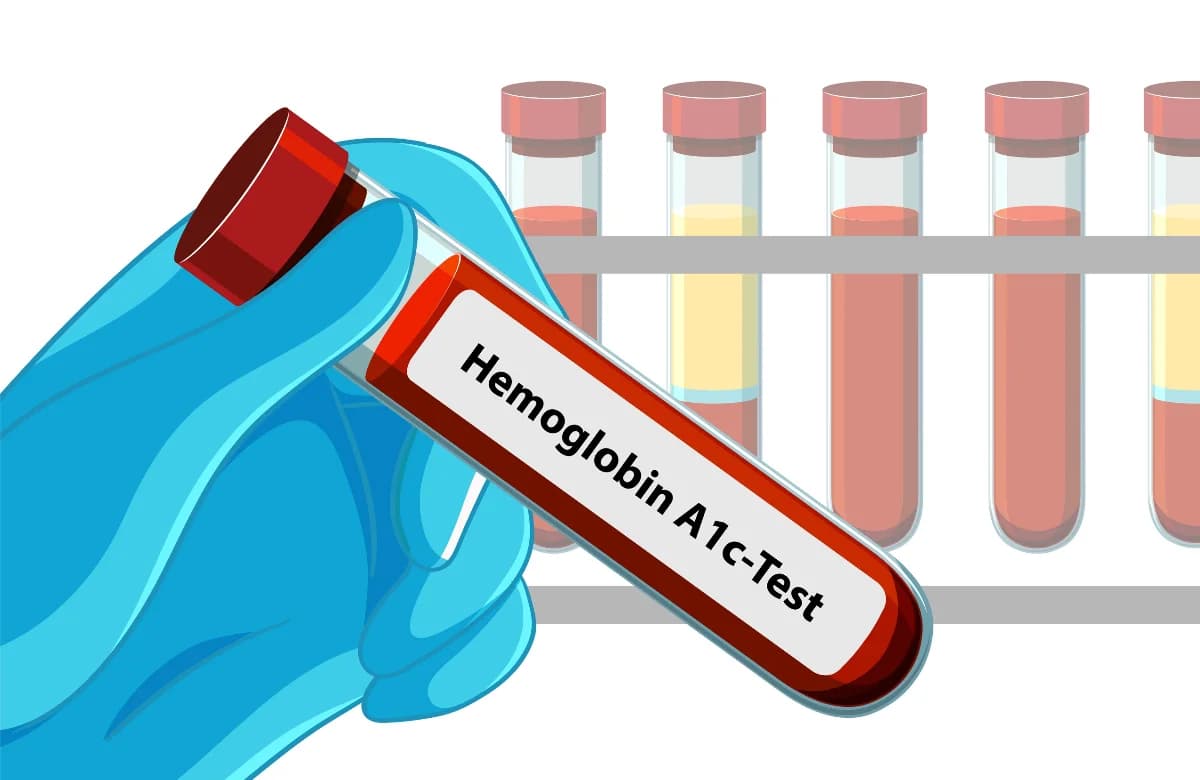
Today, millions of individuals live in a metabolic illusion, relying on routine blood test results that are within "normal" limits. However, the modern medical world has discovered that the Hemoglobin A1c (HbA1c) test, traditionally used only for the diagnosis of diabetes, actually tells a much deeper story. While fasting blood sugar only reflects the current situation; HbA1c reveals how the body "silently" processed sugar into the tissues in the last three months, that is, the long-term memory of metabolism. Research draws a striking picture, showing that every 1% increase in this value increases the risk of cardiovascular disease by 25%.
HbA1c Is Not Just a Diabetes Test
Sharing his views on the subject, Integrative Medicine and Physical Therapist Dr. Mehmet Portakalemphasized that the HbA1c value should be read as a "longevity" parameter, far beyond the limits of diabetes: "HbA1c is a record that shows how the body ages habitually, not daily. We would like to see this test not only in diabetic patients, but also in individuals who think they are healthy. Because HbA1c tells us about the rate of cellular aging, vascular health and the hidden decline in brain functions.
High HbA1c levels It not only tires the heart; it triggers neurodegenerative processes such as mental slowing down, "brain fog", Alzheimer's, and prematurely ages the immune system. Portakal underlined that the increase in HbA1c rate seriously triggers cardiovascular diseases: "Scientific data shows that every 1% increase in HbA1c can increase the risk of cardiovascular disease by approximately 25%.
The common point that attracts attention in longevity research is this: HbA1c values of healthy and long-lived individuals are mostly below 5.3%. This makes HbA1c more than just a blood sugar test. It makes it an indicator of vascular age and biological age.”
What Should HbA1c Be?
Dr. also points out that being “within the reference range” does not always mean being metabolically ideal. Mehmet Portakal said, “What is important is how quickly the value rises and what triggers it in the body” and listed the target ranges as follows:
The targeted ranges in the Longevity approach are,
· Optimal: 4.9 – 5.3%
· Ideal center: 5.0% (±0.2)
· Warning: 5.4% and above
· Risky zone: 5.6% and above
How to Lower HbA1c?
Dr. states that the HbA1c value should be considered not only as a number in the laboratory result, but as a personalized "biological map". Mehmet Portakal, "Unlike classical approaches, we aim for a permanent recovery by questioning why this value increases. The aim is not only to reduce the HbA1c value; it is to permanently improve the biological balance by understanding why that value increases."
Holistic Approach Includes:
Personalized Nutrition Strategies: Prevents cellular glycation with low glycemic load and IF (intermittent fasting) protocols.
Metabolic Balance and Support: Re-establishing the body's biological balance with micronutrients such as berberine, magnesium, alpha lipoic acid and vitamin D.
Physical Capacity and Rehabilitation: Special exercise approaches that optimize sugar metabolism by increasing muscle mass.
Stress and Sleep Management: By ensuring cortisol-insulin balance, metabolic stopping wear and tear.
Sigortada Bugün'un sağlık editörü. Tamamlayıcı sağlık sigortası, SGK düzenlemeleri ve sağlık sektöründeki gelişmeleri takip ederek sigorta ile sağlık arasındaki köprüyü kuruyor.
All articles →Comments (0)
Sign in to comment
No comments yet. Be the first to comment!
Related Articles

This disease leads to corneal transplantation

10 Golden Rules to Prevent Allergic Flu in Children

WILL THE PERSON WHO SEES 2040 BE 150 YEARS OLD?

1 in 31 Children Has Autism

Special Critical Gynecological Diseases Insurance campaign from Garanti BBVA Emeklilik for March