If correct material separation is made, bioplastics are a strategic opportunity for Türkiye.
The new draft regulation, which aims to reduce the environmental impacts of single-use plastics in Turkey, paves the way for an important transformation in terms of sustainable production and circular economy.
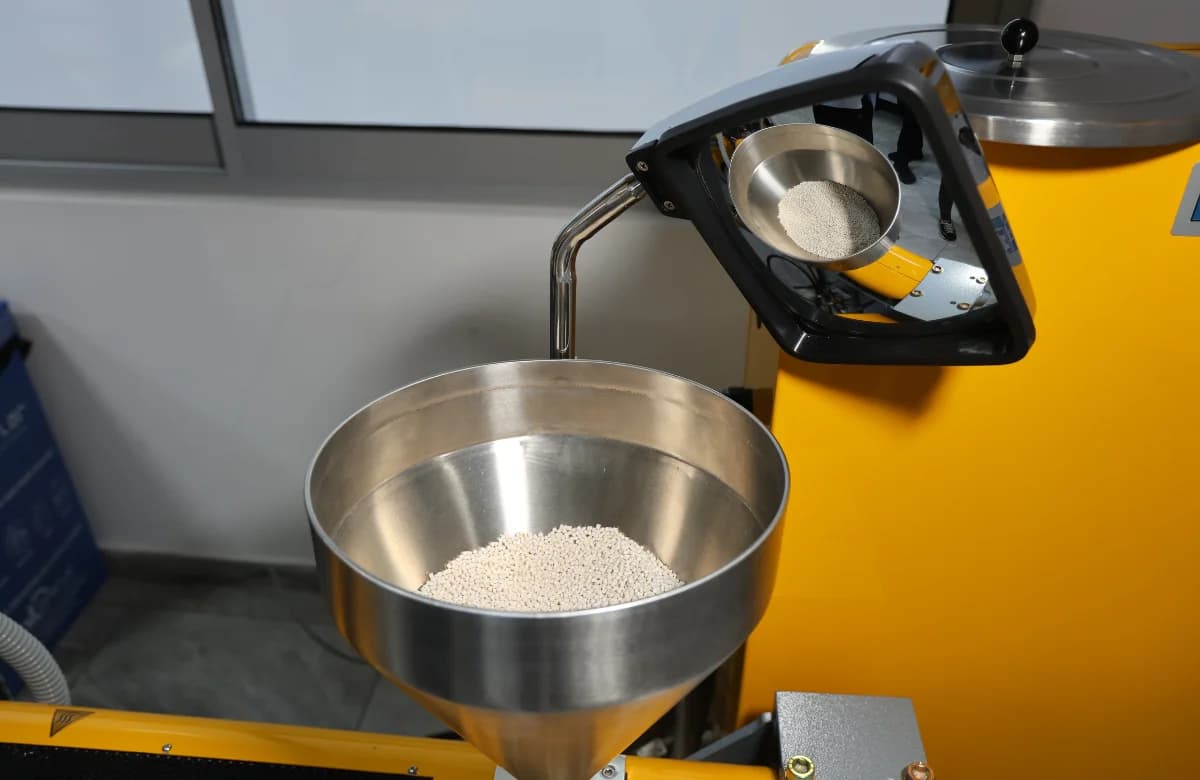
The regulation prepared in line with the Zero Waste approach aims to reduce the use of plastic, while also bringing the importance of alternative materials to the agenda. It is critical to distinguish between plastic types correctly in this transformation process.
Turkey's first TÜV certified, starch-based biopolymer producer, Sunar NP, introduces environmentally friendly products to the industry with biodegradable plastics produced from corn starch. The bioplastic products developed by the company completely dissolve in nature within 180 days and return to the soil without the need for special treatment. Pointing out that biodegradable plastics should be evaluated separately from other plastics in the new plastic regulation planned by the Ministry of Environment, Urbanization and Climate Change, Sunar Yatırım Chairman and CEO Mustafa Nuri Çomu shared this situation as a strategic opportunity.
“Not all plastics are the same”
While traditional petroleum-derived plastics can survive in nature for hundreds of years, oxodegradable plastics create microplastics during the breakdown process, creating permanent effects on the ecosystem. Millions of tons of microplastics accumulating in the oceans today and the average weekly plastic exposure of people clearly show how serious the problem has reached. In contrast, new generation materials such as starch-based biopolymers can biodegrade within 90–180 days under appropriate conditions; They do not create microplastics and contribute to reducing the carbon footprint because they are obtained from renewable resources. In this context, industry representatives point out that discussions on plastics should now be addressed through the differences between petroleum-based plastics, oxodegradable plastics and bioplastics.
"Putting them in the same basket is a technical mistake"
Çomu, who considers putting biodegradable materials in the same basket with petroleum-based plastics as a 'technical mistake', used the following statements in his evaluation on the subject: "The plannednew regulation is a very important and appropriate step in terms of reducing environmental impacts. Considering materials with different environmental impact profiles within the same scope may limit the development of some technological solutions. Bioplastics are one of the strongest and most environmentally friendly alternatives that can replace petroleum-based disposable plastics."
European approach: separate, promote
Packaging and With the Packaging Waste Regulation, bioplastics are defined in a clear legal framework for the first time. Biodegradable and compostable materials are classified according to certain criteria and directed according to their usage areas. Bioplastic solutions are encouraged, especially in packaging that can be collected with organic waste, products in contact with food, and areas where recycling is difficult. Thanks to this approach, environmental impacts are reduced and circular economy goals are supported.
The EN 13432 standard, which determines what biodegradable and compostable packaging means, stands out as an important reference point in this process. In Turkey, petroleum-based plastics, oxodegradable plastics and true biodegradable materials that comply with this standard must be clearly separated from each other. The main difference here is that the material has the ability to completely return to nature under suitable conditions. For this reason, it is of great importance to consider regulatory-compliant and certified bioplastics as a separate category and to develop incentives that will support domestic production.
“As Sunar NP, we support domestic production and economic sustainability”
Turkey has a significant potential in the field of bioplastics with its starch-based raw materials and strong production infrastructure. Sunar NP, operating under Sunar Investment, is the first company to implement starch-based biopolymer production in Turkey with the R&D studies it started in 2014. Commenting on the subject, Mustafa Nuri Çomu said, "Bioplastic is not just an alternative to the use of plastic; it is the adaptation of the right material to the future.As Sunar NP, we support domestic production and economic sustainability while reducing environmental impact with our biopolymers that can be returned to nature. Encouraging bioplastics in Turkey with the right policies contributes to the protection of the environment and creates added value in the industry. "At the same time, it reduces dependence on imported petrochemicals and puts our country in a stronger position internationally. From this perspective, bioplastics stand out as not only an environmental but also an economic and strategic opportunity area.
Sigortada Bugün'un ekosistem editörü. Insurtech girişimlerini, dijital sigorta platformlarını ve sektördeki inovasyon haberlerini takip ederek sigortacılığın geleceğini okuyucularıyla paylaşıyor.
All articles →Comments (0)
Sign in to comment
No comments yet. Be the first to comment!
Related Articles
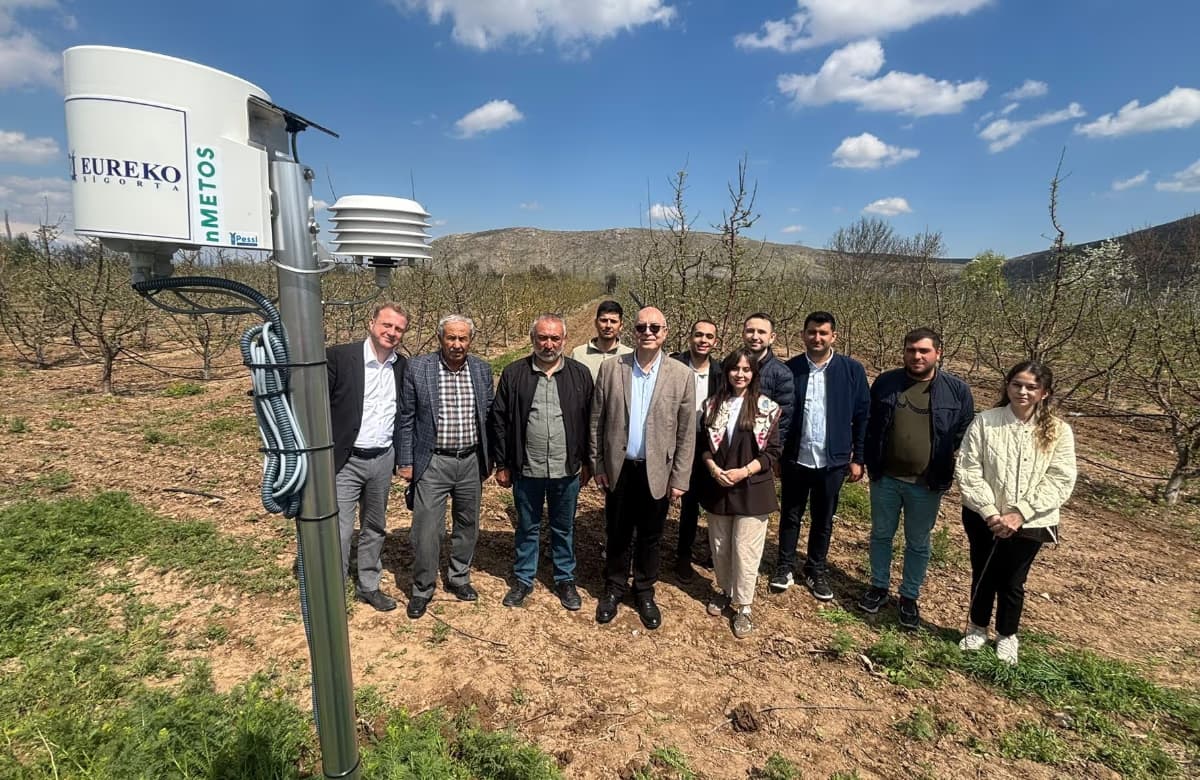
Data-Focused Solution Against Climate Risks from Eureko Sigorta
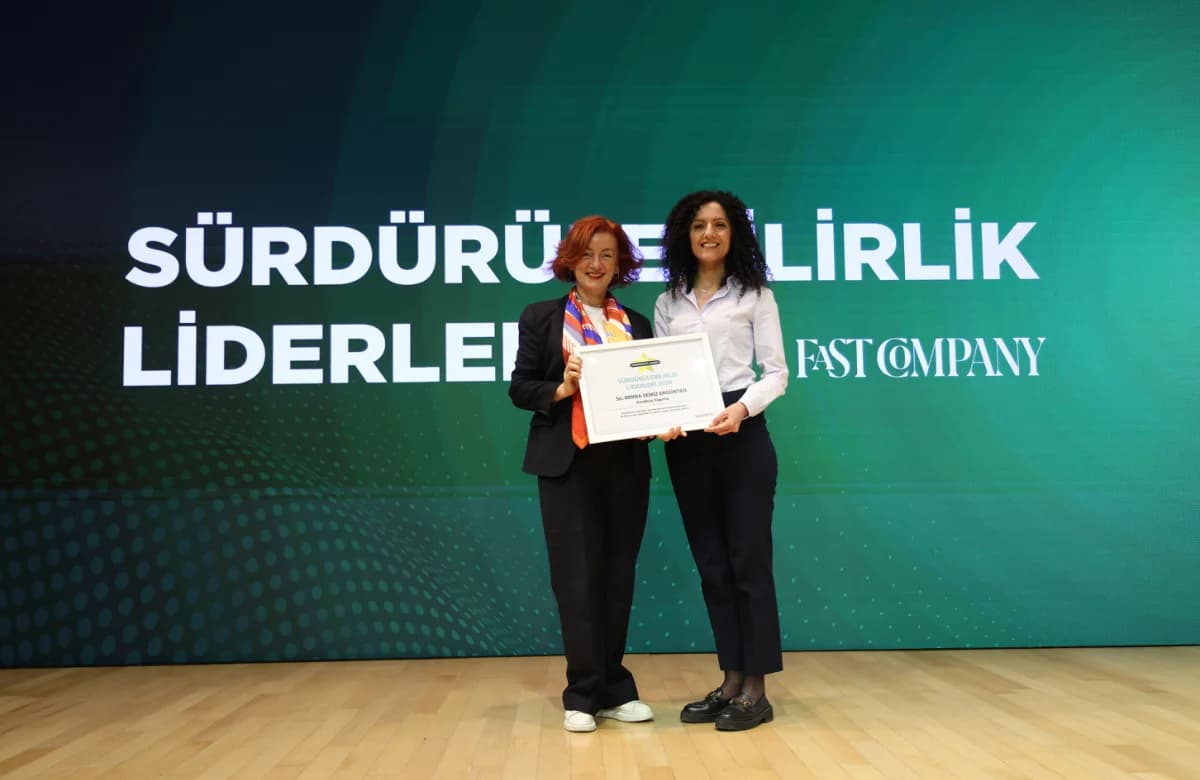
Anadolu Sigorta is among Turkey's Best in Sustainability
Anadolu Sigorta's Eyes of the Forest Project Will Protect an Area of 1.2 Million Hectares in its 5th Year
Attention was drawn to the economic power of forests
New Record in Solar and Wind Energy