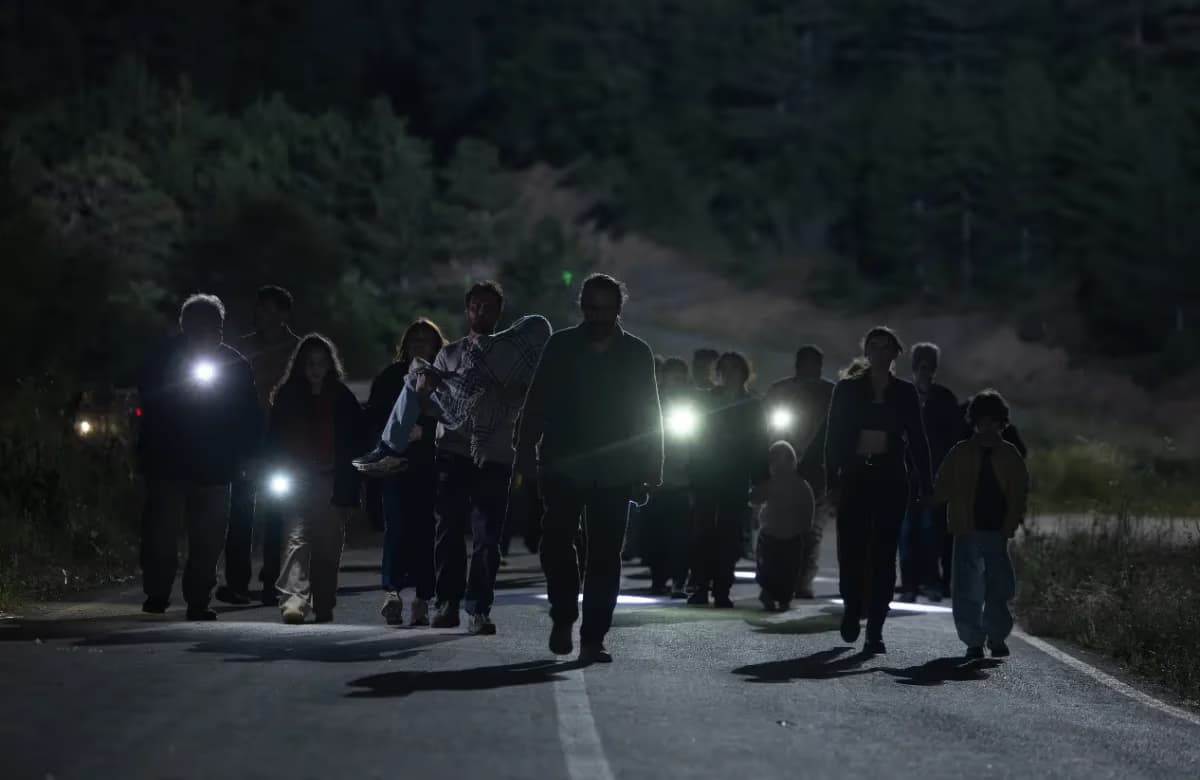
Would a human do this to another?
The Deep Anatomy of Concussion by Nesrin Orun
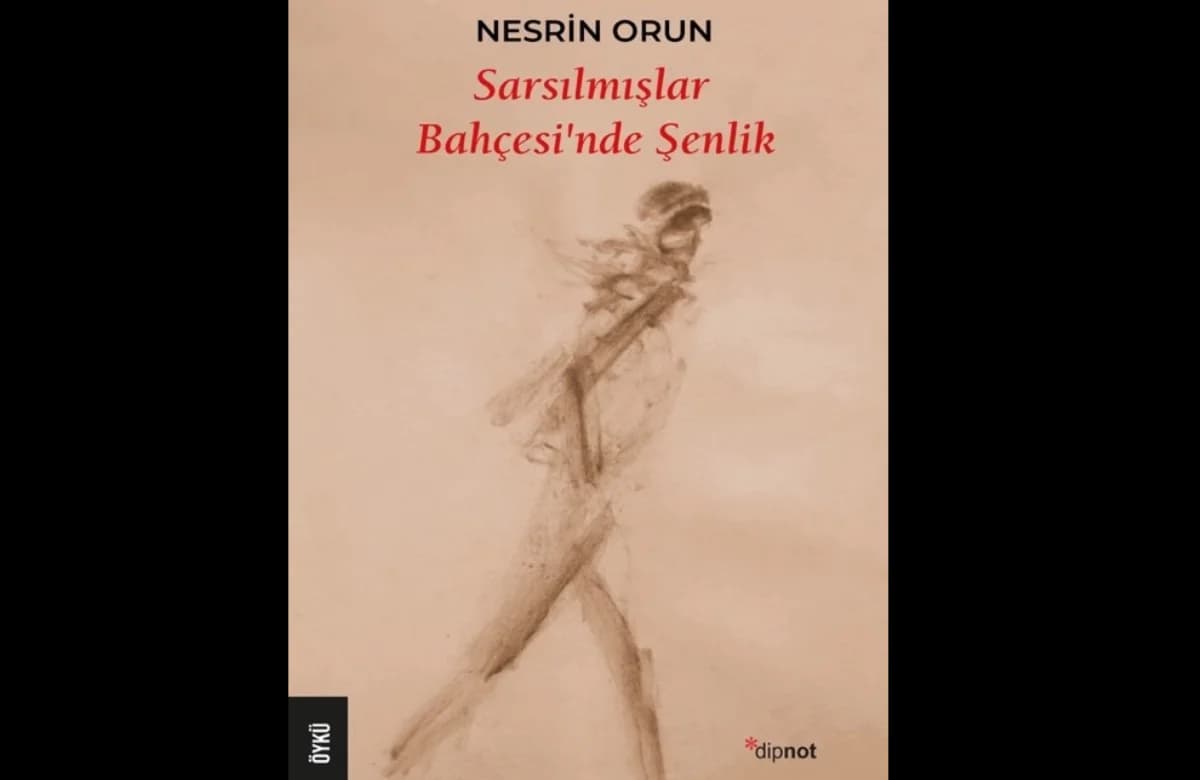
The Mülkiyeliler Birliği, one of the important meeting places of literature in Ankara, hosted the writer Nesrin Orun. Orun's talk and signing day about his book "Festival in the Garden of the Shaken" was held with great participation. The author stated that he discussed the concept of shakenness on an ontological plane by conveying the background and literary preferences of his book.
“Sometimes the Issue We Call Internal is More Dangerous than the External”
Orun, who started his speech by explaining the starting point of the book, said a simple “How are you?” in the stories. He said that the question opened a door for some people. "Some of them are actually people looking for the opportunity to talk and be understood. Maybe they are waiting for a 'How are you' question. They have waited so long that they start telling it to the first person they come across." he said. Noting that this situation shows the introversion of modern people, the author stated that the individual who is broken outside retreats into himself, but the inner world can also be a separate hell. Referring to writer Engin Geçtan, Orun said, "Sometimes the issue we call internal can become more dangerous than the outside." He said.
From Individual Break to Collective Wound
Talking about the effect of the book on the readers, Orun said that one of his readers joked about his mood after reading the book and said, "Can people do this to people?" He stated that this is the main question of the book. Stating that he focuses on the question of what people do to people and how the injured and broken person lives after those things, the author said that this has a social and systemic dimension as well as an individual one. "When we are broken outside, we turn inward because we cannot find solidarity and healing grounds. They individualize salvation, but the issue is that sociality is also broken. The exit will again be through social solidarity and dialogue." he said.
Orun: “There is No Age to Break”
In the interview, it was noted that the fairy-tale atmosphere in the book oscillates between nightmare and reality. Orun stated that childhood fractures shape a person's entire life, and that the fractures experienced at an older age drag the person to a different level of loneliness. "A serious rupture experienced as a child shapes you. A rupture experienced at an older age also redefines your relationship with life." he said. Stating that he deliberately kept the place vague, the author underlined that the emotions described are universal.
“I Pushed the Boundaries of Language”
Talking about the language issue, Orun said that he tried to go beyond the usual patterns. Stating that literature is not just literature, he said, "Literature includes sociology, psychology, philosophy and even anthropology. Literature in the classical sense cannot be done without seeing these." Orun noted that he left areas of silence in his texts and invited the reader to re-read by using some concepts multi-layered.
“Where Do We Place Despair”
Orun stated that texts with hopeful and happy endings come to the fore in today's literature, and stated that life does not always end in hope, even most of the time. "Sometimes life does not end with hope at all. Where will we put it? How will we live with them? I want to question that," he said.
While answering the question about his writing adventure, Orun stated that he has been interested in reading and writing since his childhood, and repeated his saying, "One writes to endure life and death." Orun also stated that writing is a form of healing, coping with losses and confronting existence.
Shakenness is an Ontological State
Evaluating the concept of "shakenness" on an ontological plane, the author stated that it is not just a psychological state. "A shock from the foundations affects your entire existence. How the individual will live with that broken body and soul, that is the question," said Orun, and regarding the word "festivity" in the name of the book, he reminded the Anatolian saying "Pain rests in pain, pain seeks companions in pain", and said that a state of solidarity and healing can arise where shaken people come together.
The interview ended with a signing day after the question-answer session. Readers had the opportunity to chat with the author while having his books signed.“Festival in the Garden of the Shaken” attracted attention and praise from literature lovers with its layered narrative based on fragility and solidarity.
Published by the Dipnot Publications label, “Festival in the Garden of the Shaken” consists of a total of 14 stories. The story called "Love" in the book was deemed worthy of the Special Jury Prize in the Myrina Publications 2025 Story Competition. The work, which offers a wide thematic framework ranging from childhood fractures to old-age loneliness, from family fractures to social stuckness, addresses the state of "shakenness" not only on a psychological but also on an existential level. With its atmosphere that oscillates between fairy tale and nightmare, its multi-layered, image-laden language that leaves areas of silence, and its narrative that does not exclude the possibility of inconclusiveness, the book asks the reader "What does a human do to another?" leaves you alone with the question:
Sigortada Bugün'un kültür-sanat editörü. Sigorta sektörünün sosyal ve kültürel boyutunu ele alarak kurumsal sosyal sorumluluk projelerini, sektör etkinliklerini ve insan odaklı hikayeleri aktarıyor.
All articles →Comments (0)
Sign in to comment
No comments yet. Be the first to comment!
Related Articles
A dark story in the shelter of memory
Two important exhibitions from İş Sanat and Arkas Sanat
Son of the Sun, Afife and the Death of the Seller on Zorlu PSM Scenes in September!
New names to perform at the 36th Akbank Jazz Festival have been announced
NETFLIX PUBLISHED THE TRAILER OF THE FINAL SEASON OF OLIVE TREE