“I Want to Be an Influencer!” Support your child who says
How Can You Support Your Child's Dreams in a Cyber-Safe Way?
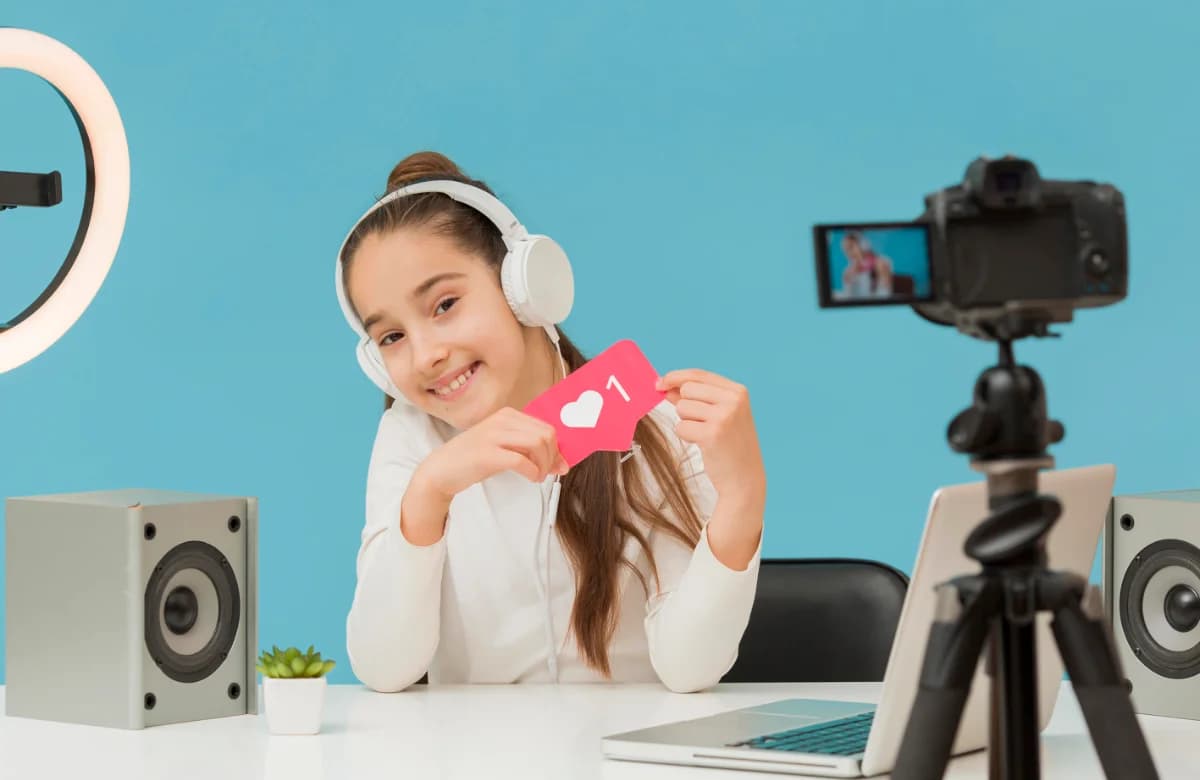
More than 30% of Generation Alpha children stated that they aim to become social media content producers; Research shows that approximately 32% of children aged 12-15 define being a "YouTuber" as their dream job. For many children, digital content creators serve as role models, and the desire to shine in the online world blossoms before adolescence. At this point, parental involvement is not just an auxiliary element, it plays a critical role. Parents; are actively involved in the process by learning how platforms work, configuring privacy and security settings with their children, and having open conversations about boundaries; This joint digital journey turns potential risks into educational opportunities. Thus, children gain competence in exploring their creativity safely.
1. Be curious, not critical. Your open approach is their safety net.
When a child says, "I want to be a YouTuber," it's natural for parents to feel anxious. However, instead of suppressing this desire as a first reflex, starting a dialogue creates a healthier basis. Trying to understand the child's motivation for producing online content, the types of content he plans and the digital trends he follows allows for more conscious management of the process.
This approach is important in two ways: First of all, it strengthens the relationship of trust by showing that the child's interests are taken seriously. It also allows security topics such as privacy settings, content limits, and dealing with online visibility to come up naturally.
Age-appropriate resources can be used to support these conversations. For example, Kaspersky offers free Cybersecurity Alphabet explains basic digital hygiene rules to children in a simple and understandable language. Thanks to its colorful visuals and simple explanation, it raises awareness about recognizing fraud attempts, protecting data and staying safe online.
2. Create Accounts Together
Proceeding through the account setup processes together, instead of just giving the child a device, provides security awareness at an early stage. Whether it's YouTube, TikTok or Instagram;
- Carefully configuring privacy settings (such as who can see posts, comment or send messages),
- Turning off geotagging by default,
- Preferring strong and unique passwords,
- Enabling two-factor authentication (2FA) provide basic protection
This approach not only reduces the risk of cyber attack or data disclosure; It also helps the child acquire digital hygiene habits at an early age.
3. Raise awareness about sharing limits
Children may tend to share where they are, what they are doing, and who they are with, with the excitement of creating content. However, part of growing up in the digital world is that not all information should be publicly available. It should be explained that sharing information such as home address, school name or uniform, holiday plans, frequently visited places may pose a risk. Such details; Photos, combined with location tags or timestamps, can facilitate physical tracking. Explaining the difference between producing entertaining content and sharing that may pose security risks with concrete examples supports children in making informed decisions.
4. Search Username on Search Engines Regularly
Once your child starts sharing content under a pseudonym, it is important to monitor their online visibility. One of the practical ways to do this is to query the nickname used in search engines at regular intervals. Examine the results by searching for the username: Are there any personal photos, location information, or comments that shouldn't be shared? Has their content been copied or is someone trying to impersonate them?
5.Warn about suspicious collaborations and fraudulent offers
Young content creators with increased visibility may receive free product, sponsorship or collaboration offers purportedly from various brands. For children, these messages may seem like a dream come true; However, most of the time it is an attempt at fraud.
Tell your child that he/she should approach every unexpected offer with caution. Fake collaboration offers often come via direct message or email and may contain phishing links aimed at capturing credentials, personal data, or even banking information. Some scammers charge “shipping fees” for fake gifts or try to get you to install harmful apps.
Warning signs to look out for include:
- Grammatic errors and expressions of extreme urgency (“act now!”)
- Requests for personal information or passwords
- Suspicious links and untrustworthy websites
- Unverified accounts imitating real brands
Young children In this case, it is better to conduct all business interactions under parental supervision—including reviewing direct messages, evaluating brand offers, and responding to collaboration requests.
6. Speak openly about online strangers
As your child begins to build an audience, he or she may notice not only admirers but also people with manipulative or inappropriate intentions. Online abuse and “grooming” are a serious risk, especially for young content creators who share details about their lives.
Explain to your child that not everyone who seems kind on the internet may have good intentions. People who practice grooming often act like a supportive friend; Praise content, offer help, or approach them as if they have similar interests. Over time, they may request personal information, private photos, or try to move the conversation to less secure platforms.
Warning signs include:
- A stranger sending frequent and overly personal messages
- Request for privacy (“don't tell your family”)
- Pressure to share private information or images
- Emotional manipulation through guilt, excessive praise, or threats
The most critical element It means that the child knows that he can contact his parent in any situation without fear of punishment.
Sigortada Bugün'un gündem editörü. Sigorta sektörünü doğrudan etkileyen güncel gelişmeleri, piyasa haberlerini ve sektör dinamiklerini takip ederek okuyucularına aktarıyor.
All articles →Comments (0)
Sign in to comment
No comments yet. Be the first to comment!
Related Articles

10 Golden Rules to Prevent Allergic Flu in Children

QNB Insured spread the goodness for children this time

The invisible side of selfies

BE CAREFUL ABOUT SLEEP HYGIENE

HABITS THAT LOOK INNOCENT THREAT THE JAW JOINT IN CHILDREN