
Spotlight
The 5 Best Korean Desserts for a Successful Korean Food Trip
Desserts are more popular than ever in Korea. Classic desserts are being reborn with a fresh, Gen-Z-inspired take, while creative flavors like the dujjonku croffle and the Dubai Chewy Cookie have taken over cafes across the country.
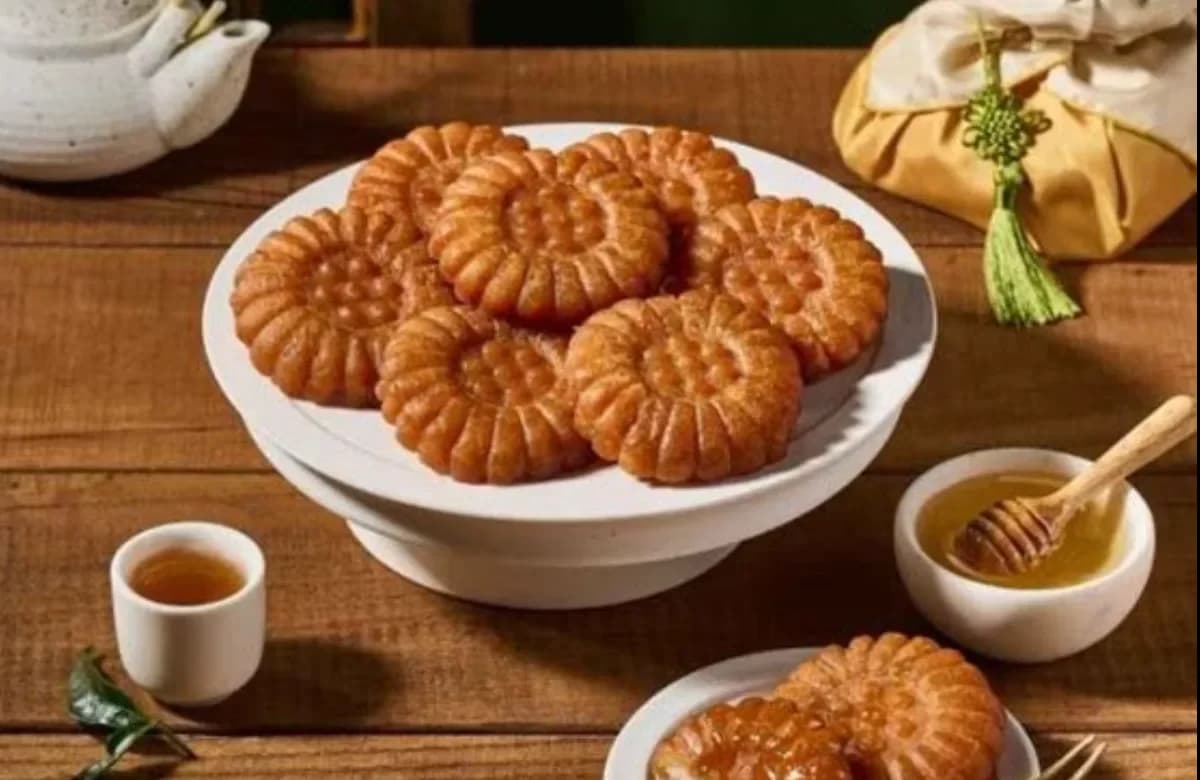
Top 5 Desserts
Desserts are more popular than ever in Korea. Classic desserts are being reborn with a fresh, Gen-Z-inspired take, while creative flavors like the dujjonku croffle and the Dubai Chewy Cookie have taken over cafes across the country. From rich, traditional desserts to on-trend flavors with a fun Korean twist, here are some dessert suggestions you won't want to miss on your trip.| K-Classic DessertsTraditional Korean desserts are often made with natural ingredients such as rice, honey, and nuts and offer a light, subtle sweetness. Instead of pairing them with coffee, try them with traditional drinks like sikhye (sweet rice punch) or sujeonggwa (cinnamon punch) for a more traditional pairing.
# Traditional Korean Desserts
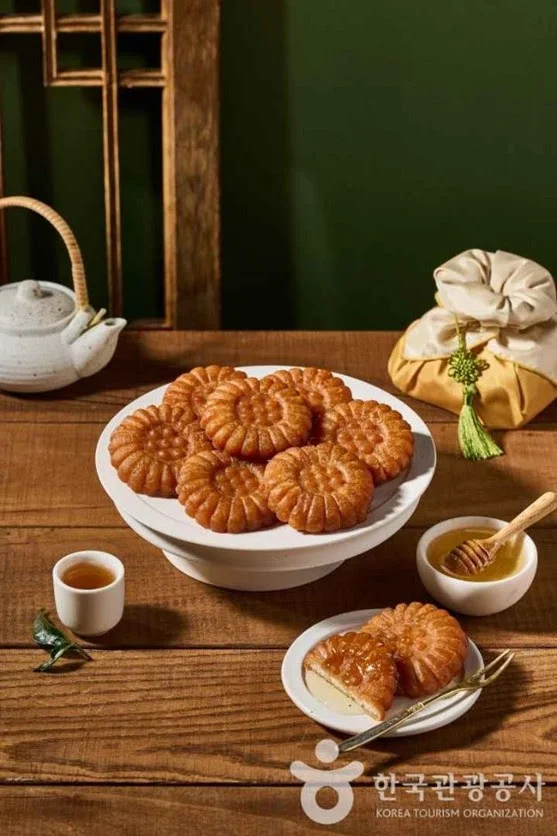
The two most iconic types of hangwa (traditional Korean dessert) are yakgwa (honey cookie) and gaeseongjuak (stir-fried jujube rice cake), both made by frying the dough and coating it with grain syrup or honey. These desserts, which used to be consumed mostly during holidays and special celebrations, can now be easily found in hanok-style cafes and traditional markets. Yakgwa is slightly crispy on the outside and holds its shape well, making it a popular gift. Gaeseongjuak is appreciated for its distinctive chewy texture and is even referred to as “K-donut” by international visitors. Nowadays, the trend is to enjoy hangwa with a modern twist by serving it with cookies, ice cream or other sweet elements.
[Hangwamiuisik Annyeong Insadong Branch | Seoul]
A hangwa shop that reinterprets traditional Korean desserts with local flavors from around the country.
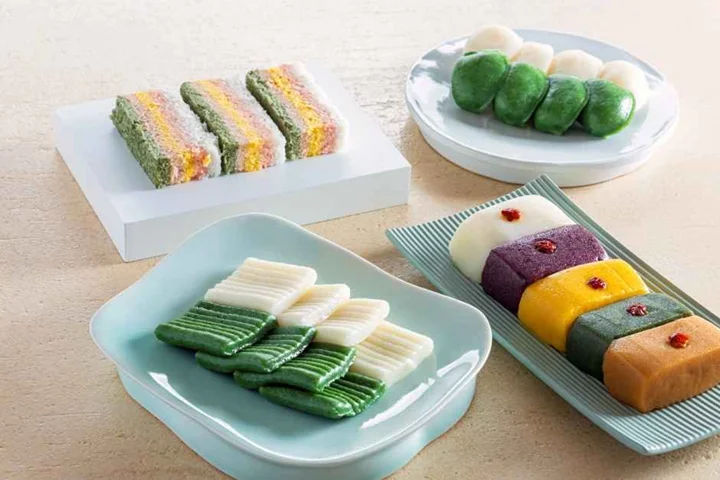 Teok, Korea's traditional rice cake, is made from the country's staple grain and comes in many varieties, including injeolmi (bean powder-coated rice cake), kkultteok (honey-filled rice cake), and chapssaltteok (red bean-filled sweet rice cake). This dessert, which is so satisfying that you can enjoy it alone as a snack or a light meal, fits perfectly with other desserts thanks to its unique chewy structure. Hazelnut flavored injeolmi goes especially well with toast or iced desserts. On the other hand, bite-sized kkultteok has also become popular among Gen Z consumers abroad; These consumers put kkultteok in a bowl and consume it like cereal with milk.
- Address: Seoul Jongno-gu Insadong-gil 49, 1st Floor, 15 No. (서울특별시 종로구 인사동길 49 1층 15호)
[Damidang | Uijeongbu]• A well-established confectionery shop that has been producing handmade yakgwa using traditional methods for over 25 years. - Address: 30-5 Sinchon-ro 63beon-gil, Uijeongbu-si, Gyeonggi-do (경기도 의정부시 신촌로63번길 30-5)
[Yeonlihuijae | Paju]• A shop selling gaeseongjuak specialties prepared with seasonal fruits. - Address: 48-21 Jangneung-ro 51beon-gil, Tanhyeon-myeon, Paju-si, Gyeonggi-do (경기도 파주시 탄현면 장릉로51번길 48-21)
Teok, Korea's traditional rice cake, is made from the country's staple grain and comes in many varieties, including injeolmi (bean powder-coated rice cake), kkultteok (honey-filled rice cake), and chapssaltteok (red bean-filled sweet rice cake). This dessert, which is so satisfying that you can enjoy it alone as a snack or a light meal, fits perfectly with other desserts thanks to its unique chewy structure. Hazelnut flavored injeolmi goes especially well with toast or iced desserts. On the other hand, bite-sized kkultteok has also become popular among Gen Z consumers abroad; These consumers put kkultteok in a bowl and consume it like cereal with milk.| K-Trendy Desserts
Korean desserts are known for quickly catching up with global trends and adding a fresh Korean twist to them. Even desserts you think you know can feel completely new here, with different tastes, textures and presentations.
# Dubai Chocolate
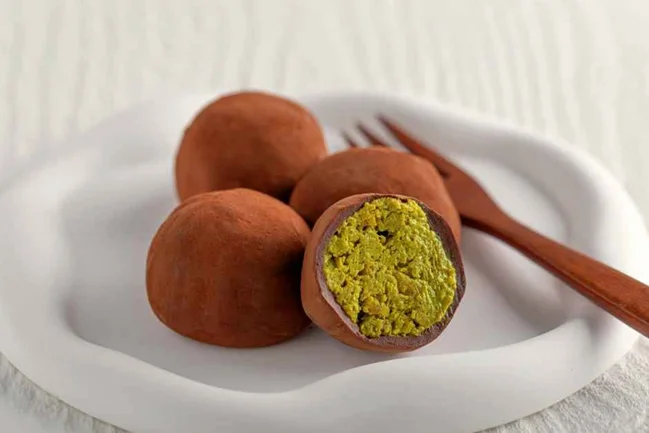
In 2026, Dubai-style chocolate is at the vanguard of the K-dessert craze. It's happening. However, in Korea, this trend was not limited to chocolate molds or flavored desserts; has evolved into something completely new: Dubai Chewy Cookie, “dujjonku” for short.Stuffed with gooey marshmallows, rich peanuts and crunchy kataifi, dujjonku stands out for its irresistible blend of chewy and crunchy textures. Despite its high price, it sells out quickly. In some shops, people line up before opening time just to buy one. It's no surprise that it has become a must-try flavor for gourmets going to Korea.
# Croffle

Croffle (croissant + waffle), which is indispensable for Korean cafes, is made by pressing the croissant dough in a waffle machine. Originally a simple snack lightly sprinkled with sugar or drizzled with syrup, it evolved over time into a richer dessert garnished with whipped cream, ice cream or fresh fruit. The croissant trend doesn't end there: there are also varieties such as cronut (croissant + donut), crookie (croissant + cookie) and even crungji (croissant + nurungji, crispy rice crust). If you like buttery pastries, it's worth trying them all to see how each variation changes the texture and flavor.
# Salt Bread
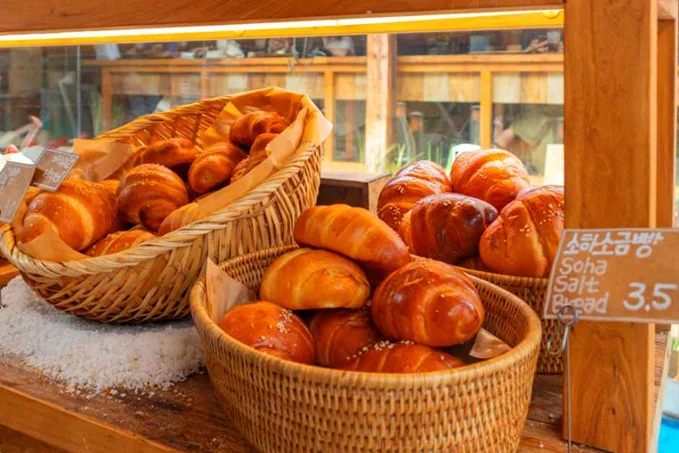
Japanese salt bread emphasizes simplicity by focusing on a bold flavor and balanced texture. takes it out. However, in Korea, salty bread is shaped by complete contrasts: crispy on the outside, soft and fluffy on the inside; With that irresistible burst of sweet-salty flavor that Koreans love. One of its most notable features is the hollow space created by the melting of butter during cooking — the famous “butter cave.” Instead of leaving this space empty, Korean bakeries fill it with bold options like pollock caviar, scallion cream cheese, or sweet red beans and butter, turning a simple bun into a stuffed delight. There are lots of fun variations, too, from fish-shaped savory rolls to crunchy snack-style versions. Whatever the variation, that deep, buttery rich flavor always takes center stage.
[Soha Salt Pond | Seoul] A hanok-style cafe with a salt farm concept, known for its wide variety of salty bread delicacies.•
[Soha Salt Pond | Seoul] A hanok-style cafe with a salt farm concept, known for its wide variety of salty bread delicacies.•
- Address: 21-5 Supyo-ro 28-gil, Jongno-gu, Seoul (서울특별시 종로구 수표로28길 21-5)
[ Jayeondo (Salt Bread by the Sea) | Incheon]• A shop serving only salt bread (single item menu). - Address: 10 Eunhasu-ro, Jung-gu, Incheon (인천광역시 중구 은하수로 10)
[Chilamsagye | Busan]• A popular savory bread place founded by a master baker.• - Address: 7-10 Chiram 1-gil, Ilgwang-eup, Gijang-gun, Busan (부산광역시 기장군 일광읍 칠암1길 7-10)
Source:aviareps.com
Photo Gallery
M
Author
Sigortada Bugün'un gündem editörü. Sigorta sektörünü doğrudan etkileyen güncel gelişmeleri, piyasa haberlerini ve sektör dinamiklerini takip ederek okuyucularına aktarıyor.
All articles →Comments (0)
Sign in to comment
No comments yet. Be the first to comment!
Related Articles

Artificial intelligence creates a multiplier effect in cyber attacks
12 July 2026

Toyota C-HR Left Behind 10 Years of Making a Difference in the Automotive World
29 June 2026

Summer Months, the Quiet Period of Resignations
18 June 2026

The 38th International Insurers Tennis Tournament Organized by Milli Re Begins
3 June 2026

Middle East crisis will boost electric vehicle momentum
14 May 2026

The invisible side of selfies
13 May 2026