History of a Lifetime: Gratitude to İlber Ortaylı
There are some people who come into your life like a page in a book and never leave again. İlber Ortaylı is exactly such a person. When you first hear him, you may think he is just a historian. However, over time you will realize that it is not a storyteller; He is the man who keeps history alive.
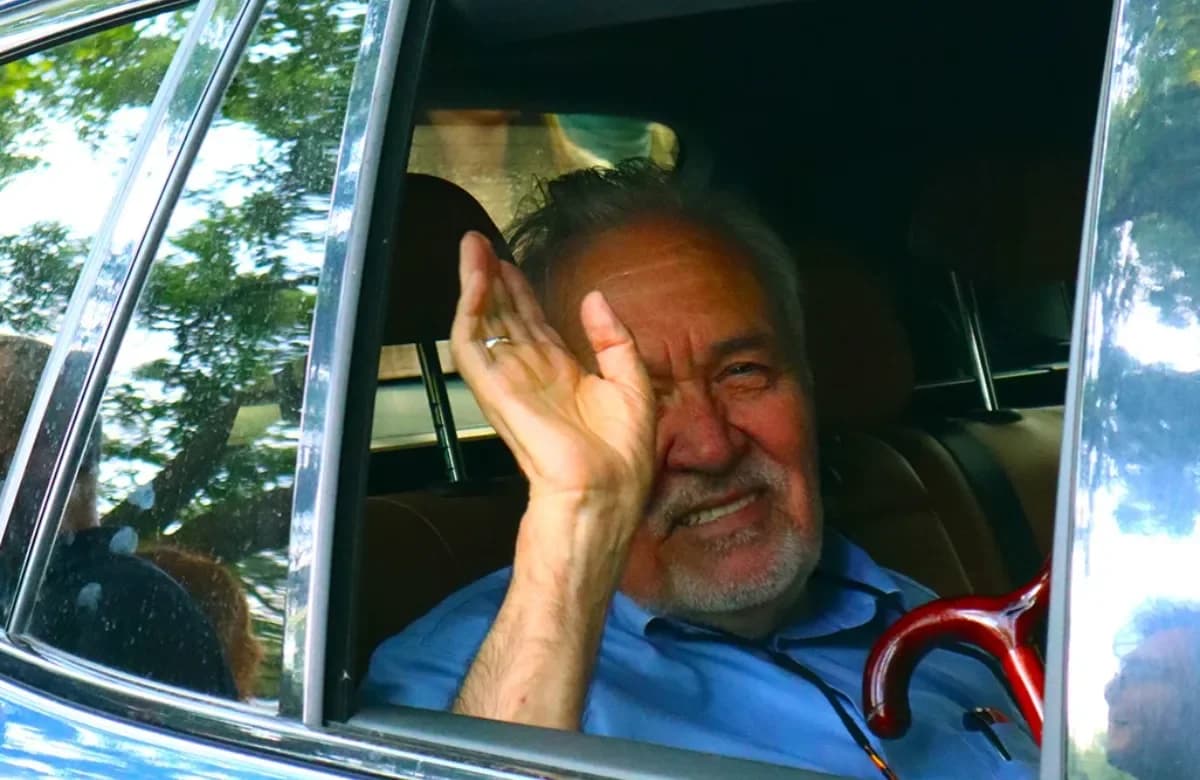
There are some people who come into your life like a page in a book and never leave again. İlber Ortaylı is exactly such a person. When you first hear him, you may think he is just a historian. However, over time you will realize that it is not a storyteller; He is the man who keeps history alive. He is someone who stands right in your midst, right in your life, not on a podium, who reads the past not with today's eyes but with the accumulated wisdom of the past.
Taking the Dust
Ortaylı showed us that history is not just dusty books left on the shelf. The Ottoman Empire, Byzantium, the Balkans, Central Asia - he brought these from being textbook subjects to table conversation. "The past is not the past," he seemed to say in every speech. And he was right. Because we found traces of today in every story he told.
Many of us felt like a burden while learning history at school. Dates to be memorized, names to be forgotten, information to be erased from your mind after the exam. Ortaylı shook this perception to its core. In his language, history was an invitation, not a punishment. While telling about Çanakkale, Tanzimat, and the Balkan Wars, one felt like walking on the streets of that period. This was not an ordinary narration; It was the fruit of deep empathy and an academic knowledge that has matured over the years.
Teaching with Love
Many academics convey knowledge; Ortaylı makes people love knowledge. He always spoke with the same passion on the television screen, in conference halls, and on university platforms. That slightly sarcastic smile in his sentences seemed to remind him of how human - how our - history is.
One of his greatest talents was his ability to convey academic depth into popular language. Complex political processes, the collapse of empires, the pains of modernization - he could explain these with equal warmth to both a professor and a listener who had never read a book. This ability is a rare human virtue; It is an art that patiently bridges the gap between knowing and being able to explain.
Who knows how many people watched one of his documentaries and ran to the bookstore the next day? How many young people chose the history department after listening to Ortaylı? How many housewives, retirees, students, tradesmen have made peace with history for the first time thanks to him? The answers to these questions may never be known; but its impact will continue to be felt for generations.
Disturbing Honesty
Ortaylı never said the easy thing. He always stood against our social myths, established acceptances, and history shaped by the political conjuncture. At times he disturbed, argued, objected — but never remained superficial. This courage is the greatest virtue expected from a scientist, and he carried this virtue throughout his life.
He opposed the rewriting of history according to political needs, the iconization of heroes, and the reduction of complex periods to black-and-white paintings. When looking at the Ottoman Empire, he felt neither extreme longing nor extreme rejection; On the contrary, he presented before us both the greatness and the weaknesses of that civilization with the same calmness. This honesty affected both those who loved him and those who criticized him from time to time in the same way: no one could underestimate him as "biased".
Building Bridges
Another great contribution of Ortaylı was that he did not see Türkiye as a closed society only within its own history. He treated the Balkan geography, the Caucasus, the Middle East, the provincial towns of Europe—all as parts of the Ottoman legacy. He seemed to say, "We did not go to these lands alone, nor did we leave alone"; While talking about the architecture, language, culinary culture and human relations left behind.
This perspective was a reflection of a worldview that went beyond a narrow nationalist historical narrative and approached neighboring peoples with curiosity and respect. Thanks to Ortaylı, many Turks began to look at Thessaloniki, Bucharest and Sarajevo not as "foreign cities" but as places of a common memory.
Legacy
If a Turk today changed his perspective on Ottoman architecture; If a young person can say "history cannot be memorized, it can be understood"; If someone looks at the Balkan cities with a different perspective - there is definitely a voice, a sentence, a page of İlber Ortaylı behind them.
His books are still on the shelves; his documentaries are still watched; The sentences he made in university lectures still live in his notebooks. The greatest legacy of an academician is not that his name continues to be mentioned, but that his thoughts take root in other minds.Ortaylı has already established this legacy.
He taught us not history, but how to talk with history.
Thank you, Teacher.
For what you explained, for the truths you insisted on, for the decades you taught tirelessly, for those brave sentences that you did not hesitate to disturb. History is less lonely with you, and we are less ignorant thanks to you. And perhaps most importantly — we are now a little more compassionate when looking at our past; both towards those who experience it and towards ourselves.
Photo Gallery
Sigortada Bugün'un gündem editörü. Sigorta sektörünü doğrudan etkileyen güncel gelişmeleri, piyasa haberlerini ve sektör dinamiklerini takip ederek okuyucularına aktarıyor.
All articles →Comments (0)
Sign in to comment
No comments yet. Be the first to comment!
Related Articles

Artificial intelligence creates a multiplier effect in cyber attacks
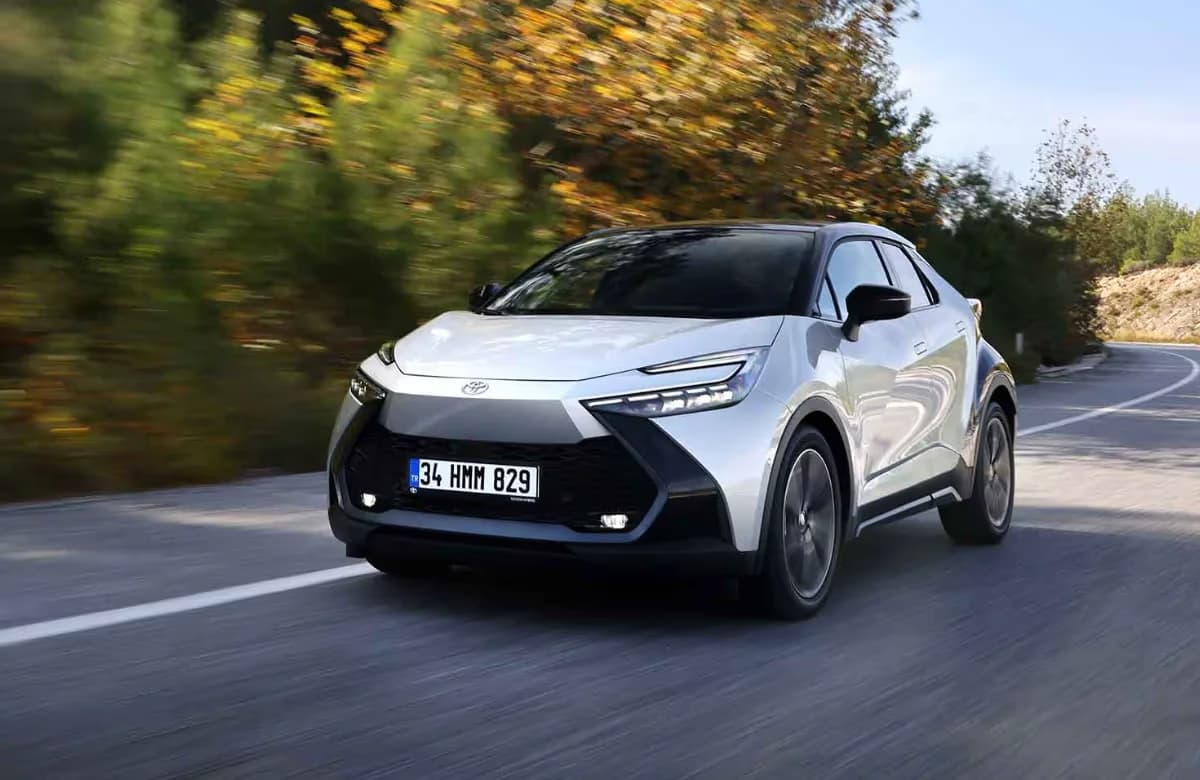
Toyota C-HR Left Behind 10 Years of Making a Difference in the Automotive World

Summer Months, the Quiet Period of Resignations
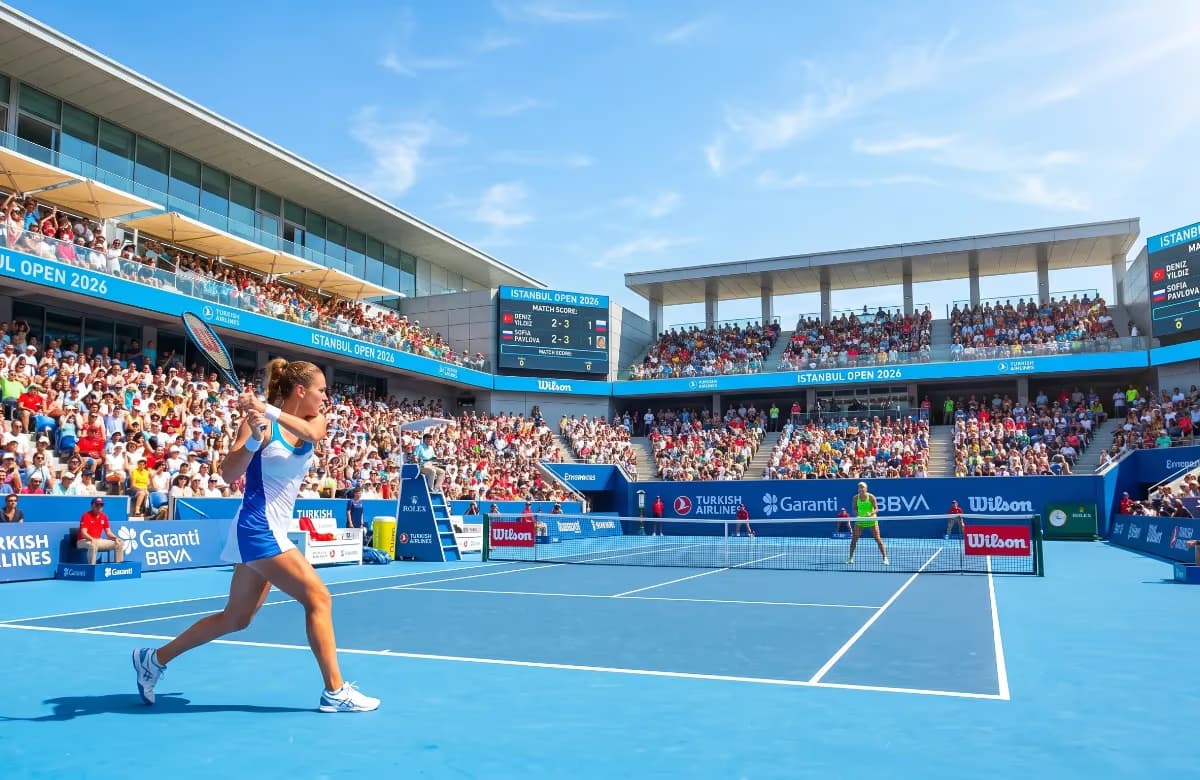
The 38th International Insurers Tennis Tournament Organized by Milli Re Begins
Middle East crisis will boost electric vehicle momentum